


Pogo: Earn Cash & Rewards
4.613.62K Reviews
App Specs
- Version
- 4.52
- Updated On
- License
- Free
- Downloads
- 1,000,000+
- Developer
- Pogo Technologies Inc
- Categories
- Shopping
- Platform
- Android, iOS
Screenshots
 Analysis by AppCompare
I came away from Pogo: Earn Cash & Rewards with a fairly clear impression: it is best viewed as a small-reward shopping companion, not a serious income source. The app brings several earning routes together—games, surveys, receipt activity and other offers—so it can fit naturally into spare moments. That variety is its biggest strength, but it also creates the main trade-off: the value of any single task may feel modest, and the experience depends on whether the available activities match your habits.
That distinction matters before you install it. I would recommend Pogo to someone who already shops, occasionally answers surveys, or enjoys trying simple mobile activities and wants to collect something in return. I would not suggest it to anyone expecting predictable earnings, instant results, or a replacement for a dedicated rewards program. Its appeal is convenience and variety rather than a dramatic payout.
How Pogo works in everyday use
Pogo is a free shopping app from Pogo Technologies Inc, released on November 23, 2020. It is available for Android devices running version 10 or later, and the current version is 4.52. The app carries a Mature 17+ content rating, which is worth noticing if you are choosing it for a younger family member. Its central idea is simple: open one app and look for available ways to build rewards through ordinary activities.
The strongest part of that approach is that it does not force you into one kind of task. A receipt-focused rewards app makes sense only when you have qualifying purchases. A survey-only app becomes frustrating when there are no suitable questionnaires. Pogo gives you more than one direction to try, which makes it easier to use casually instead of planning your whole routine around it.
In my experience, the best way to approach the app is as a background habit. I would check it after shopping, browse the available activities when I had a few spare minutes, and ignore anything that felt too time-consuming for the reward offered. That mindset keeps the process light. If you treat every offer as an obligation, the app can quickly feel like work.
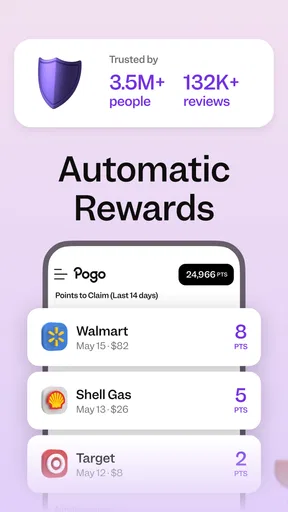
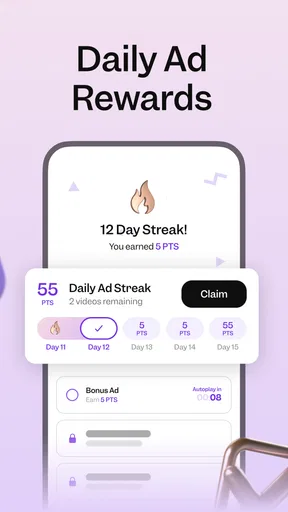
The store summary describes earning cash back and rewards from games, surveys, receipts and more. That wording accurately captures the range, but it should not be read as a promise that every option will be equally useful to every person. Availability and personal fit are important. Someone who rarely keeps receipts may get more value from surveys, while another user may prefer receipt-based activity because it connects to purchases they were already making.
The receipt habit is more useful than it first appears
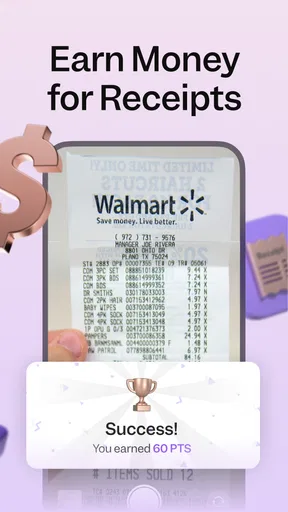
The receipt side of Pogo can work well when you build it into your shopping routine rather than trying to remember it days later. My practical tip is to review the app soon after a purchase, while the receipt is still easy to find. That small habit reduces the chance of forgetting about a potentially useful submission and prevents reward hunting from becoming a separate chore at the end of the week.
Worth Reading Before You Choose

EA SPORTS FC Mobile 26 Is a Bigger Football Game, but It Takes Time

Flipboard Shows What News Apps Must Do Beyond the Feed

Switching to Android Auto Means Rethinking Your Driving Routine

Google Calendar Makes a Crowded Week Easier to Manage

Ludo King Makes the Most of the Minutes Between Plans

Baby Panda World Brings Quick Play to Modern Phones, but Its Game Library Feels Busy
This also changes how I would use the app in a real situation. Imagine finishing a grocery trip and having a few minutes before heading home. Instead of opening Pogo later and trying to reconstruct the purchase, I would check the available receipt option while the details were fresh. If the task looked worthwhile, I could handle it immediately; if not, I would move on without changing what I bought.
That last point is important. I would not recommend buying something merely because it appears in a rewards activity. The sensible calculation is whether the purchase was already useful. A reward can soften the cost of an ordinary purchase, but it does not automatically make an unnecessary purchase a good deal.
Surveys and games suit different kinds of spare time
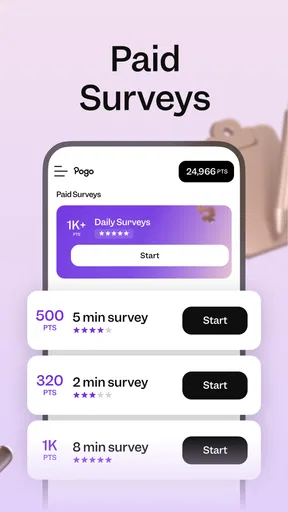
Surveys are convenient when I want a clearly defined task, but they are not ideal for every mood. They require attention, and a user may reach a point where answering questions no longer feels worth the time. My approach would be to start only when I can finish without interruption and to stop treating the activity as worthwhile if the effort begins to outweigh the expected benefit.
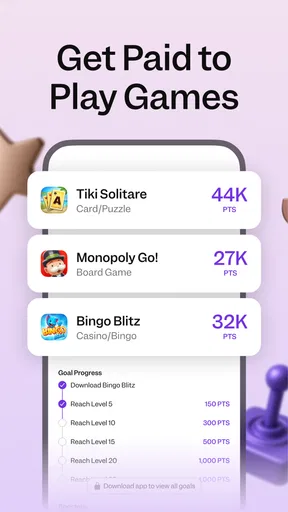
Games provide a different kind of option. They may feel less repetitive than surveys, especially for someone who already enjoys casual mobile play. The trade-off is that a game can absorb more time than expected. I would set a personal limit before starting, particularly if the goal is rewards rather than entertainment. Otherwise, it is easy to spend a long session chasing a small return while telling yourself that you are still being productive.
This is one of the app’s less obvious decisions: the most enjoyable activity is not necessarily the most efficient one. If I want to make the best use of a short break, I would compare the task’s effort with the reward before committing. If I am simply looking for something casual to do, the entertainment value may matter more than efficiency.
Why the variety makes Pogo easier to keep using
Many reward apps lose their usefulness when one earning route dries up. Pogo’s broader selection gives it a better chance of remaining relevant across different days. A shopping trip, a quiet evening, and a spare moment during a commute can call for different activities. That flexibility is more meaningful than having a long list of features that all demand the same kind of effort.
It also makes Pogo more approachable for households with different routines. One person may be comfortable with surveys, while another may prefer receipts or games. I would still keep expectations individual rather than assuming that everyone will see the same opportunities. The app is a tool for finding suitable activities, not a guarantee that every category will be equally rewarding for every account.
The app’s public reception suggests that this broad concept has found a substantial audience. It has an average rating of 4.6 from around 127 thousand ratings, with roughly 14 thousand written reviews and over one million installs. Those figures do not prove that it will work perfectly for every user, but they do indicate that Pogo is more established than a little-known rewards experiment.
The main weakness is the effort-to-reward balance
My biggest reservation is not the idea itself; it is the possibility of spending too much attention on low-value activities. Rewards apps can make small tasks feel productive, but time is still a cost. A survey that takes longer than expected, a game that encourages continued play, or a receipt process that interrupts a busy routine can make the overall experience less attractive.
For that reason, I would avoid using Pogo with a rigid daily target. A target can turn a flexible tool into a source of pressure, especially when the available activities do not match your interests. I prefer a selective approach: open the app, scan what is available, choose only activities that fit the moment, and leave when nothing looks worthwhile.
Another limitation is that the app is not the same as a conventional cash-back service tied directly to a payment card. A traditional cash-back option may feel more automatic because it works in the background around eligible purchases. Pogo is more interactive: you need to look at the app and decide what to do. That extra involvement is a strength for users who want choice, but a weakness for anyone who wants rewards with almost no effort.
It is also not a substitute for comparing prices. I would still check the actual cost of a product, consider a store’s normal discounts, and use the reward only as one part of the decision. A reward app can encourage a useful habit of tracking purchases, but it should not override basic shopping judgment.
How it compares with the usual alternatives
Compared with a receipt-only app, Pogo is more flexible because receipts are only one route among several. That makes it a better fit if your shopping pattern changes or if you do not want to wait for a particular type of purchase. The downside is that its broader range can require more browsing and decision-making.
Compared with a survey-only service, Pogo offers a welcome escape from answering questions. Games and receipt activities make the experience less dependent on a single format. However, someone who prefers a tightly focused survey workflow may find a multi-purpose app less direct than a specialist alternative.
Compared with ordinary loyalty programs, Pogo is more activity-based. A store loyalty program may be simpler when you repeatedly shop at the same retailer, while Pogo can be more appealing when you want one place to explore different reward opportunities. I would choose the latter for variety and the former for automatic, store-specific savings.
The practical lesson is that Pogo works best alongside other savings tools, not instead of them. I would use a retailer’s normal loyalty benefits where they make sense, compare prices as usual, and then treat Pogo as an additional option. That layered approach avoids expecting one app to handle every part of saving money.
Who should install it, and who should skip it
Pogo is a good match for people who enjoy small, repeatable rewards and do not mind taking an active role. It suits users who already keep digital or paper receipts organized, people who like casual surveys, and anyone who wants several types of activities in one shopping-oriented app. It can also work for someone who prefers flexible participation rather than a fixed schedule.
I would be more cautious if you dislike surveys, rarely shop, or want rewards to accumulate without opening an app. The same applies if you are inclined to chase every available offer. In that case, Pogo may create more distraction than value. A simpler cash-back arrangement may be better for someone who wants minimal interaction, while a dedicated game or survey service may be preferable to someone who wants one focused experience.
The Mature 17+ rating should also guide the decision about who uses it. I would not install it for a child simply because the activities appear easy to understand. It is designed as a shopping and rewards app for older users, and the age classification deserves attention before sharing a device or account.
Because the app is free, the financial barrier to trying it is low. Still, “free” does not mean costless in practice. Your time, attention and shopping decisions all matter. I would give Pogo a short trial period, observe which activity types actually fit my routine, and keep using it only if the process feels reasonable. That is a better test than assuming every available category will suit you equally.
Small habits that improve the experience
My first recommendation is to check Pogo at natural moments rather than opening it repeatedly throughout the day. After shopping is an obvious checkpoint for receipts. A quiet break works better for surveys or games. This simple separation helps prevent the app from interrupting tasks that matter more.
Second, decide whether you are optimizing for time or enjoyment. If time matters, choose the shortest activity that feels worthwhile and leave the rest. If enjoyment matters, games may be a pleasant way to use spare minutes, but I would be honest with myself that entertainment and earning are different benefits.
Third, keep your own record of what you submit and what you expect to receive. I find that a brief note can make reward apps easier to evaluate because it shows whether the routine is genuinely useful. It also discourages vague impressions such as “I must be earning something” when the activity has quietly become a habit without a clear benefit.
Finally, do not let the presence of an offer change your shopping list. Pogo should follow sensible purchases, not create them. That is the difference between using the app as a modest savings aid and allowing it to steer spending.
My final recommendation
After looking at the full experience, I see Pogo as a flexible rewards app with a sensible place in a careful shopper’s routine. Its combination of games, surveys, receipts and other activities gives it more range than a single-purpose alternative, and its free entry makes experimentation easy. The developer, Pogo Technologies Inc, has built something that is most convincing when used casually and selectively.
At the same time, I would not describe it as effortless money. The app asks for attention, and the value of an activity depends on how well it fits your time and habits. Users who measure every minute may prefer a more automatic cash-back option. Users who enjoy exploring small opportunities will probably find Pogo more appealing.
My verdict is positive, with realistic expectations: install it if you want a convenient place to explore several reward styles and are willing to ignore activities that do not justify their effort. Skip it if you want guaranteed returns, completely passive savings, or a focused specialist tool. Used as an occasional add-on to normal shopping—not as a financial strategy—it can earn its place on your phone.
Pros
- Simple games make it easy to earn points during short breaks.
- Offers multiple reward options instead of relying on a single payout method.
- Progress tracking helps you monitor points and completed activities.
- The casual format suits users who prefer low-effort entertainment.
- New tasks and games can provide variety over extended use.
Cons
- Rewards may require substantial time before reaching the withdrawal threshold.
- Point values can vary widely between games
- tasks
- and promotional offers.
- Some activities may involve third-party services or additional sign-ups.
- Earnings are modest and should not be treated as a reliable income source.
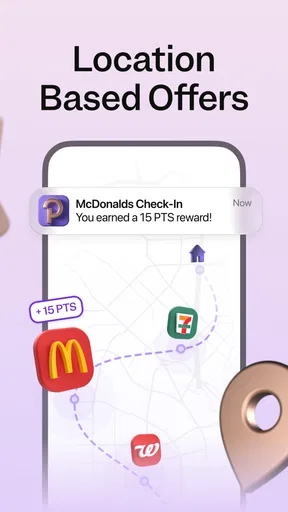
- Availability of offers and rewards may depend on your location or device.
FAQs for Pogo: Earn Cash & Rewards
What is Pogo: Earn Cash & Rewards, and how does it work?
Pogo: Earn Cash & Rewards is a rewards app that lets users earn points or cash by completing activities such as playing selected games, answering surveys, trying offers, or reaching specific goals. After signing up, the app presents available tasks based on your location and profile. Rewards and earnings can vary considerably, so it is best viewed as a casual way to collect small bonuses rather than a dependable source of income.
Is Pogo: Earn Cash & Rewards free to download and use?
The app is generally free to download, and you do not normally need to pay an upfront subscription to create an account or browse available opportunities. However, some offers may involve downloading third-party apps, making purchases, signing up for services, or meeting strict conditions. Always read the full offer description before participating, because an activity may cost money even though Pogo itself is free.
How can I redeem rewards from Pogo?
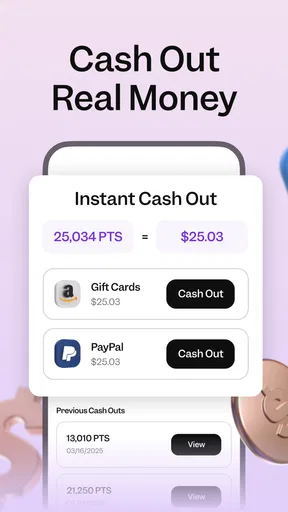
Redemption options can depend on your country, account status, and the rewards currently supported by the app. Depending on availability, users may be offered cash transfers, gift cards, or other digital rewards after reaching the required minimum balance. Before spending time on tasks, check the rewards section for the current threshold, processing times, identity requirements, and any restrictions that could affect your ability to receive a payout.
How much money can I realistically earn with Pogo?
Your potential earnings depend on the number and type of tasks available, your location, demographic profile, device, and how consistently you complete qualifying activities. Some offers may provide only a few points, while promotional tasks can be worth more but often require additional time or conditions. In practice, most users should expect modest supplemental rewards, not guaranteed daily income or a replacement for employment.
Is Pogo: Earn Cash & Rewards safe to use?
Pogo can be used safely when downloaded from an official app store and approached carefully, but rewards apps commonly request personal information for account verification, surveys, or offer matching. Review the privacy policy, permissions, and data-sharing practices before registering. Avoid suspicious links, never provide unnecessary financial details, and remember that third-party offers follow their own terms, tracking methods, and privacy policies.


